Traditional rebar can be cumbersome, heavy, and susceptible to price swings. GatorBar fiberglass rebar turns the category on its head with numerous alternatives to commodity options, from lighter weight to easier handling. These benefits support dealers and their customers alike.
Selling GatorBar requires thinking beyond the commodity mindset to promote the product’s benefits over steel. For your builder customers, the benefits include:
- Labor savings: GatorBar is 4x lighter than steel rebar, which means fewer crew members are needed to carry it — and they don’t get fatigued as easily. In fact, GatorBar can deliver 35%-45% labor savings, bringing real bottom-line savings.
- Price stability: While metal products are susceptible to cost swings, manmade fiberglass is not subject to that volatility.
- Lower transport cost: 400 20-foot pieces of #3 GatorBar can be transported on a ladder rack without going over weight limits. One truckload of GatorBar is the same as seven trucks of steel.
- Safer, easier handling: Unlike steel, GatorBar won’t splinter, thanks to Sliverless Grip Technology. Plus, it cuts easier, and crews can cut a bundle at once.
- Same functionality: GatorBar is a direct substitute for steel rebar, so it requires no learning curve for installers.
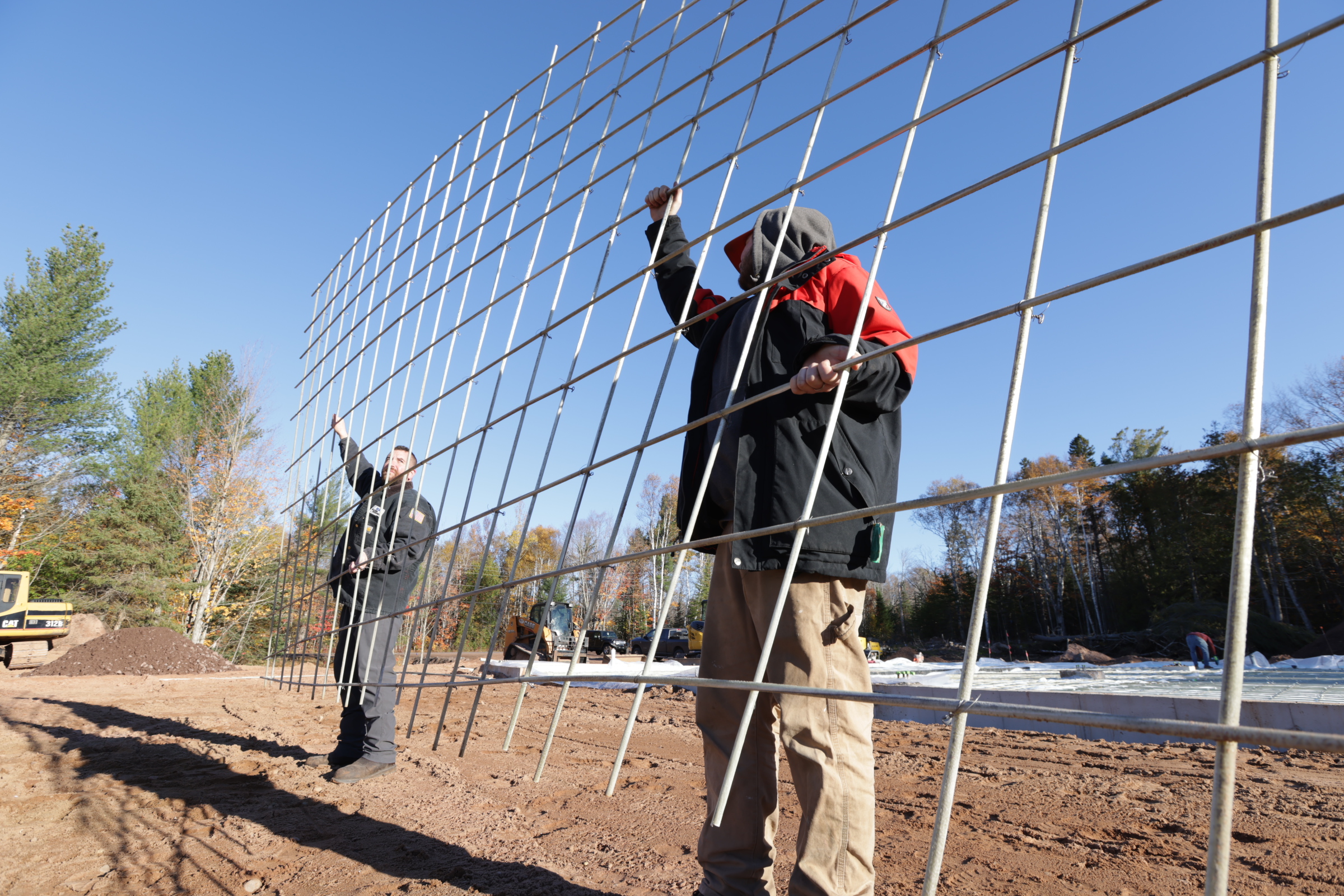
- No weather delays: With its light weight, GatorBar grids can be tied during rain days and carried pre-tied right to the jobsite.
- Durable: Even with its lighter weight, GatorBar is two times stronger than steel, and it won’t rust. In fact, you can drive a cement truck over it, and GatorBar will bend into place.
Along with straight rebar, GatorBar can be specified in shapes and bends, including 90s and angles, U shapes, circles and hoops, and stirrups, as well as custom shapes.
GatorBar is the only option fully manufactured in the U.S. In addition, GatorBar can be used for flatwork and structural work, whereas other products require dealers to carry two product lines.
R+L Carriers Trims Labor, Costs With GatorBar
R+L Carriers is just one example of how GatorBar delivers optimal benefits. When the R+L Carriers team began planning their Kentucky and Georgia projects, certain sites called for asphalt and others called for concrete. During the planning process, the decision was made to work toward a consistent design and upgrade the concrete for improved long-term durability. While the switch offered better performance, it came with a cost increase. The general contractors and R+L’s stakeholders — developers, site engineers, and a veteran foreman — were faced with a critical question: How to maintain schedule and budget without compromising quality.
Traditional steel rebar, with its high material costs, heavy handling requirements, and labor-intensive installation, posed a major challenge. They needed an alternative to offset the added costs of concrete and meet or exceed structural requirements.
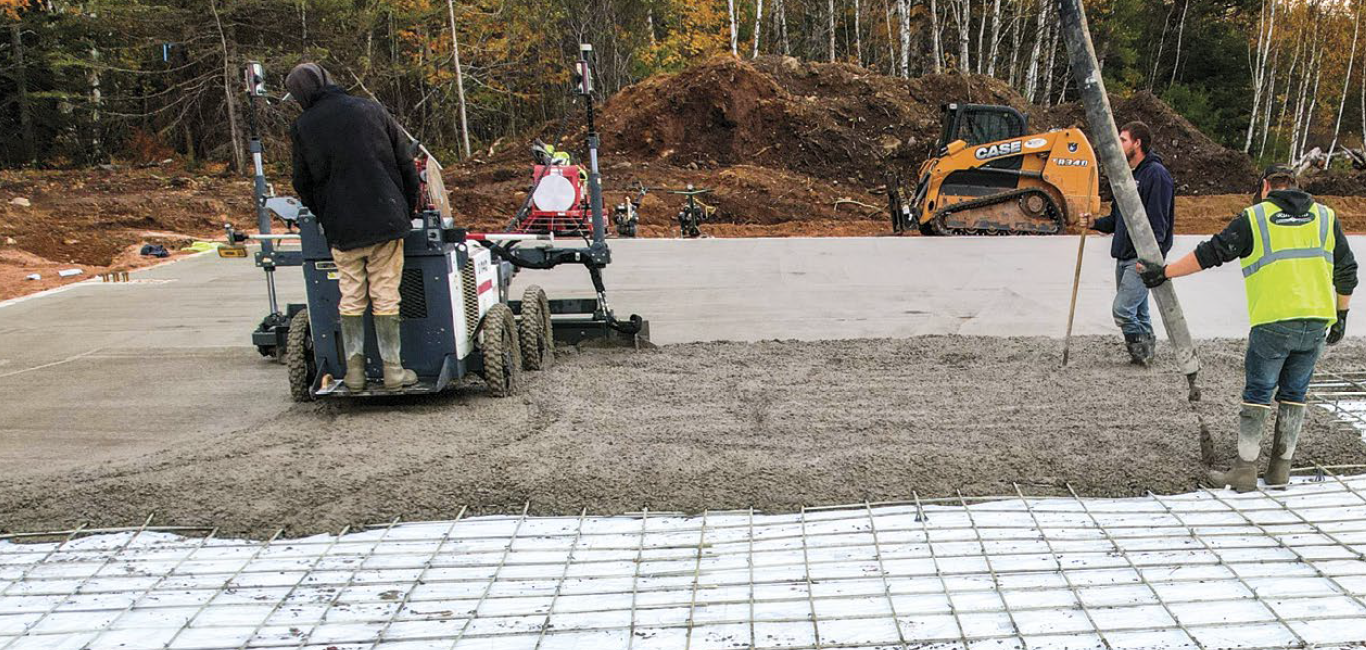
After reviewing cost models, labor studies, and material logistics, R+L approved a redesign using #3 GatorBar installed on 18-inch centers within 7-inch-thick concrete, supplemented by 4 pounds of macro fibers. Saw-cut joints were laid out at 12-foot intervals to control cracking.
Implementation began with a focus on efficiency. Because of GatorBar’s low weight, truckload deliveries could be cut by 80% — reducing freight costs and eliminating jobsite issues like congestion. Rebar bundles are carried by hand, removing the need for cranes or heavy equipment. Installation speed increased three to four times compared to steel rebar, keeping the project on schedule
This efficiency allowed concrete subs to cut rebar crews nearly in half, freeing up manpower for other priorities. Safety improved as well: In 90-degree summer heat, there was no need for gloves to handle hot steel, heavy lifting was minimized, and there were no splinter or sliver injuries.
The results were immediate and measurable: Using GatorBar eliminated over 50 truckloads of heavy steel, with savings in transportation and material costs. Most importantly, the labor savings proved transformative. What had once required nine or ten installers could now be handled by just four or five, keeping multiple projects progressing simultaneously. This efficiency created time to address unexpected issues like site grading while staying on schedule.
In the finished slabs, cracking has been virtually nonexistent. Even under a strict 12-foot saw-cut grid, one foremen remarked on the superior performance of the FRP rebar. The easy handling, safety benefits, and simplified logistics contributed to a safer, efficient, and cleaner jobsite.
Lessons learned from the project included the need for additional dobie bricks for chairing and awareness that GFRP bars will shear if exposed beyond slab edges. However, these minor adjustments were far outweighed by the overall benefits. The project stands as a model for how rethinking reinforcement can change project economics.
Dealers and builders alike can reach out to GatorBar for support, including engineering and codes to help get local approvals where needed. Visit www.gatorbar.com to learn more.
Weyerhaeuser Distribution is committed to delivering the reliable, consistent products you can rely on. Connect with your Weyerhaeuser representative today about rebar solutions available in your market.