
Forest Carbon Project
Kibby Skinner, ACR721
Kibby Skinner, ACR721
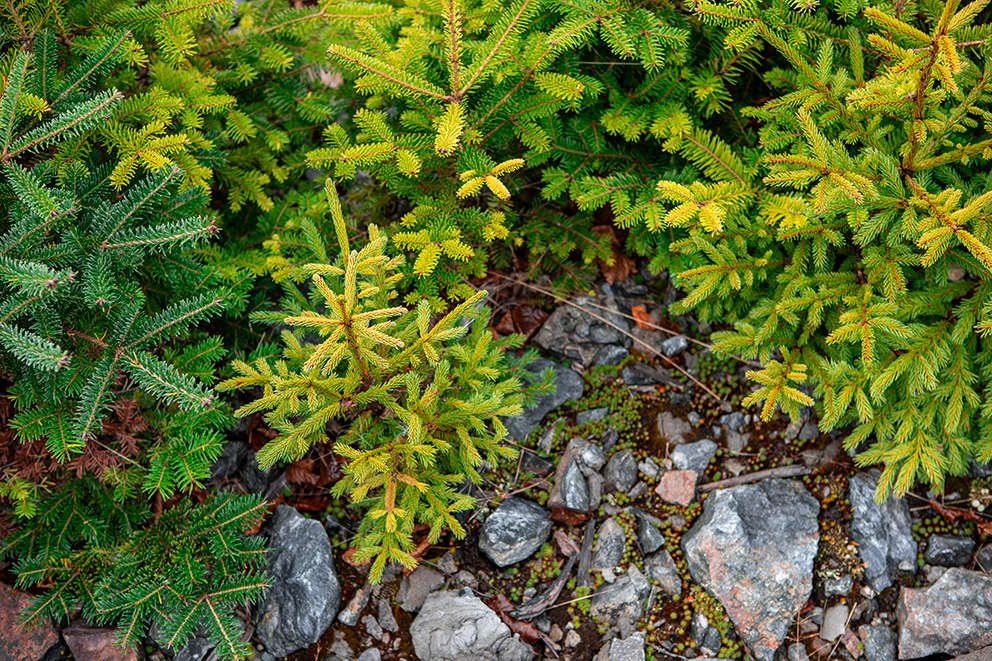
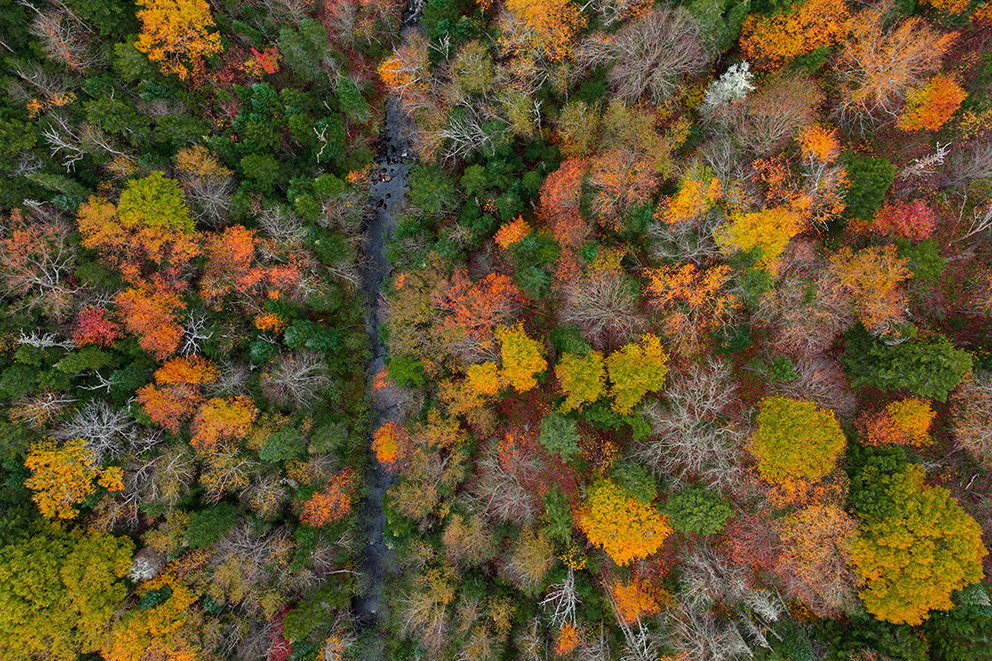
Spanning 47,400 acres in western Maine, the Kibby Skinner IFM project is our first forest carbon project and our only current carbon credit issuance in the U.S. Northeast. Located in Franklin County near the Canadian border, the project features streams, wetlands and native spruce-fir and northern hardwoods forests certified to the Sustainable Forestry Initiative® Forest Management standard.
Our responsible stewardship of Kibby Skinner and our disciplined project execution enables more carbon to be stored above and below ground and ensures the ongoing protection of fish and wildlife habitat, while still allowing for sustainable timber harvests that support the local forest economy.
Project Profile
- Project Footprint
- 47,400 acres
- Registry & Methodology
- ACR IFM on Non-Federal U.S. Forestlands v1.3
- Forest Management Certification
- SFI®
- Project Start Date
- January 1, 2022
- Credit Type(s)
- Reductions, Removals
- Location
- Franklin County, ME
- Project Term
- 40 Years
- Forest Type
- Northern hardwood–spruce–fir
- Project Rating
- BeZero Carbon Rating of A
Kibby Skinner is a Working Forest
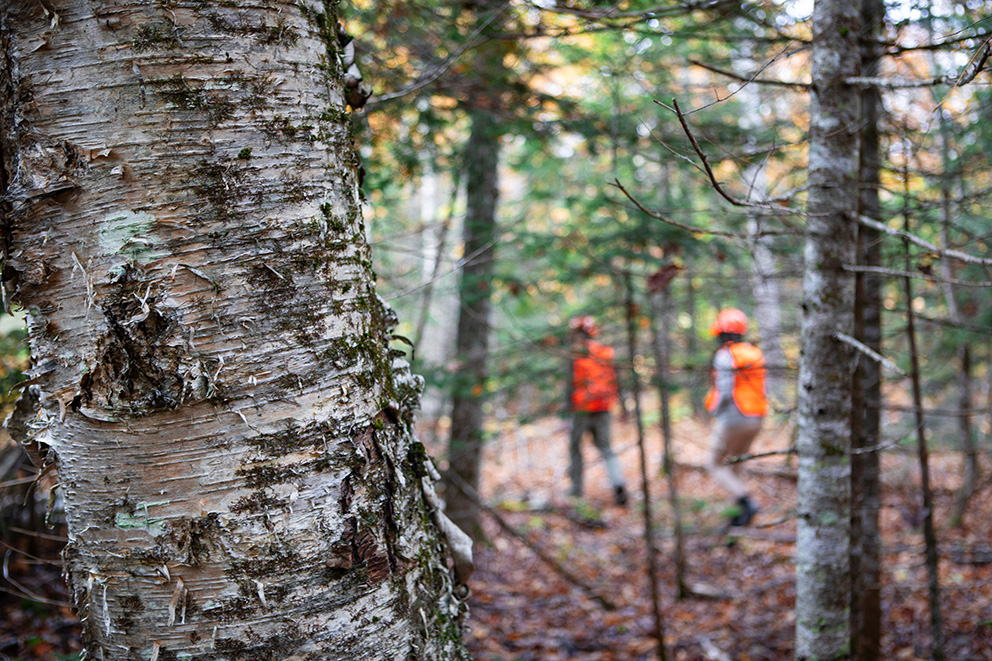
Kibby Skinner’s thriving spruce-fir and northern hardwoods forests are sustainably managed to increase carbon storage across the landscape and support a renewable cycle of harvest and regeneration that benefits the local forest economy and provides sustainable wood products that are essential to everyday life.
Our management of this cycle across the project footprint is critical to capturing and storing carbon beyond business-as-usual operations over time.
Stewardship for Lasting Climate Impact
Additional carbon storage is made possible by extending harvest rotations, implementing a no-harvest regime in protected mountain areas and reducing harvest intensity in streamside buffer areas so trees have more time to grow. This leads to more carbon stored on the landscape over time, measured against a baseline grounded in our history of sustainable forest management and supported by long-term stewardship.
Beyond Carbon
Forest Economy and Rural Communities

Kibby Skinner supports Maine communities by keeping forests working and productive:
- Sustaining local timber markets and family-wage jobs
- Producing raw materials for renewable wood products, including lumber and renewable energy
- Keeping forestland intact for future generations
Biodiversity and Resilient Ecosystems
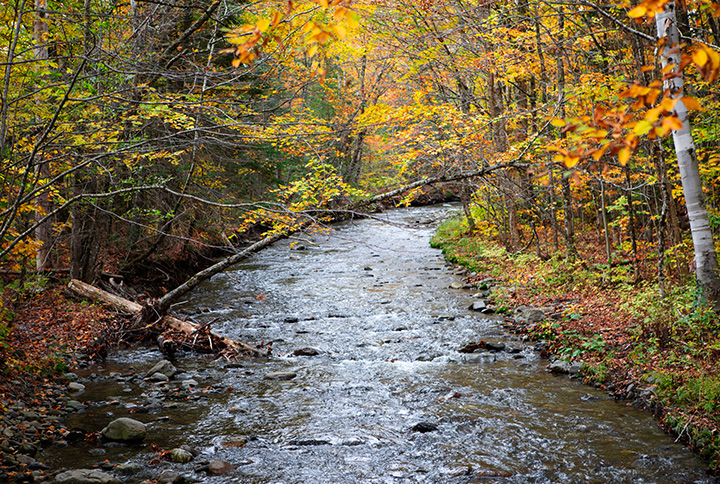
As part of a critical migration corridor, Kibby Skinner helps protect the natural systems that keep working forests resilient:
- Connecting habitat of Maine’s North Woods along the Appalachian range
- Supporting native wildlife and biodiversity
- Safeguarding waterways, soils and forest health through responsible management and routine monitoring
Local Support and Community Engagement
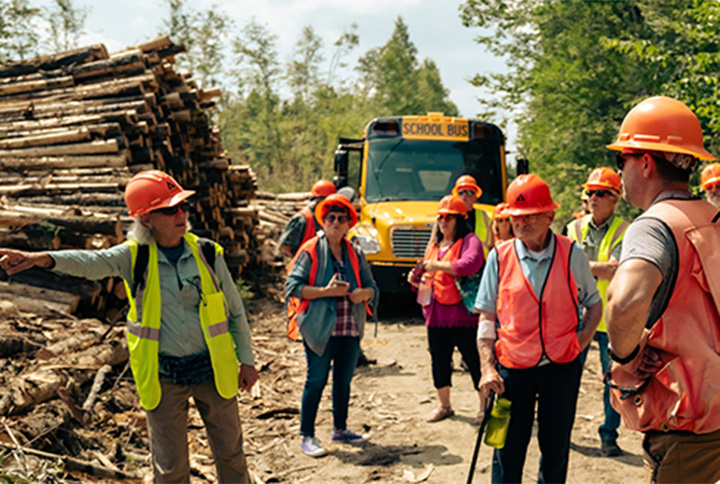
Kibby Skinner supports Maine communities:
- Strengthening local forestry stewardship through career development and education
- Enhancing community well-being through employee giving, volunteerism, local grants and partnerships
- Providing access to outdoor recreation that connects people to nature
Sustainable Development Goals Categories
Kibby Skinner supports the Sustainable Development Goals by advancing climate action, protecting clean water and wildlife habitat, and sustaining a productive working forest that contributes to rural economies. Through long-term forest stewardship, monitoring and local engagement, the project helps connect measurable carbon benefits with broader outcomes for healthy ecosystems, resilient communities and responsible land use.
SDG 03: Good Health and Well-Being: Supports outdoor access, recreation and healthy forest landscapes that contribute to local quality of life.
SDG 06: Clean Water and Sanitation: Helps protect streamside areas, wetlands, soils and water quality through responsible forest management and monitoring.
SDG 09: Industry, Innovation and Infrastructure: Sustains a working forest that supports renewable materials, local timber markets and rural economic activity.
SDG 13: Climate Action: Increases carbon storage over time through extended rotations, measured carbon benefits and long-term stewardship.
SDG 15: Life on Land: Supports native pine and hardwood forests, wildlife habitat, biodiversity and resilient ecosystem function across the project area.
By using this website, you agree to our Privacy Policy. California residents: See our CCPA Privacy Notice for details on what personal information we collect and for what purposes.