
Environmental Stewardship
 Environmental Stewardship
 The nature of what we do
Environmental stewardship is an essential component of our sustainability work and how we demonstrate our deep commitment to the long-term health of the ecosystems in our care. To ensure our forests remain healthy and productive for generations to come, we work hard to protect and enhance the many ecosystem services they provide, including clean water, clean air and wildlife habitat, as well as climate solutions, such as forest carbon, mitigation banking and renewable energy development, that benefit society and our world. We also seek to minimize the environmental footprint of our Wood Products manufacturing business by reducing air emissions and efficiently using nearly every part of each tree we harvest. These actions are smart for our business, good for the environment and essential to running our operations sustainably. We are proud of our excellent performance in environmental stewardship and are firmly committed to finding innovative, meaningful ways to improve our practices through ongoing scientific research and cross-functional partnerships.

Practicing Sustainable Forestry
Sustainable forest management is at the heart of what we do as a company. We manage our forests to ensure a sustainable supply of wood for our mills and customers while protecting the additional environmental, social and cultural benefits forests provide.

Supporting Biodiversity
Our sustainable working forests provide much more than timber. They are healthy, thriving ecosystems that provide habitat for diverse plant and animal communities, and we take pride in caring for these resources through responsible stewardship.

Improving Conservation Outcomes
We participate in multiple public and private programs and collaborative efforts — and implement best management practices on the lands we own and manage — to ensure our forests provide habitat features that support at-risk, sensitive, or threatened and endangered species.

Contributing to Clean Water
Our forests are critical sources of clean water for communities in our watersheds, and we are committed to protecting aquatic ecosystems on our lands and around our manufacturing sites.
Storing Carbon
Sustainably managed forests and wood products play an important role in mitigating the impacts of climate change by absorbing carbon dioxide from the atmosphere and storing carbon.
Making Better Energy Choices
We meet more than two-thirds of the energy needs in our manufacturing facilities by using by-products such as bark, sawdust, chips and shavings as fuel, and we also use our land to support the generation of solar and wind power.

Decreasing Our Emissions
We continually seek to decrease our greenhouse gas emissions and to reduce other air emissions.
Responsible Wood Procurement
We ensure all the wood entering our facilities is from sustainably or responsibly managed forests and meets our customers' sustainability-related expectations.

Making the Most Of Every Tree We Harvest
We find creative, responsible and beneficial uses for our wood by-products and work to reduce waste generated in our manufacturing process.
Verifying with Certification
We validate our strong performance in sustainable forest management and wood fiber procurement through certification to internationally recognized sustainability standards.
PRACTICING SUSTAINABLE FORESTRY
As North America’s largest private timberland owner, we've been growing, harvesting and regrowing forests for a very long time — ensuring our customers have access to a renewable supply of wood while protecting the other important benefits forests provide. Today, we plan our sustainable forest management activities on at least a 100-year horizon, sometimes mapping as far out as 200 years to ensure our forests last forever.
- 1922: Weyerhaeuser donates 5,000 acres of forest for Washington state reforestation experiments.
- 1925: We advocate for legislation to encourage reforestation after harvest — an uncommon practice at the time.
- 1937: We begin research into sustainable-yield forestry, which ensures harvesting does not diminish the forest's ability to provide timber volume in the future.
- 1938: We are one of the first companies to successfully grow and plant tree seedlings. From this effort, a new crop was born, and Weyerhaeuser's tree-planting era began.
- 1941: We establish the first certified tree farm in the United States on 200,000 acres of harvested and fire-burned land in Washington state.
- 1961: We harvest our first crop of second-growth trees, establishing the pattern of harvest and restoration that has become the basis of our sustainable forestry practices.
- 1986: We plant our 2 billionth seedling in the blast zone of Mount St. Helens, marking the completion of a massive restoration effort in which we planted 18 million seedlings by hand following the 1980 eruption.
- 1994: We hold town hall meetings in Washington and Oregon attended by more than 2,000 people, who raised ideas, asked pointed questions and leveled criticism at the company. These public meetings were instrumental to the integration of more extensive environmental applications into our management practices.
- 2006: We become one of the first companies to certify our timberlands to the Sustainable Forestry Initiative® Forest Management Standard, a third-party sustainable forestry certification.
- 2013: We achieve 100 percent certification of our timberlands to third-party sustainable forestry standards.
- 2020: We launch our 3 by 30 Sustainability Ambitions to grow our positive impact in three areas where we play an important role and are uniquely positioned to make a meaningful difference — climate action, sustainable homes and rural communities — by 2030.
Today, we continue to certify 100 percent of our forests to the SFI® Forest Management Standard. We plant more than 100 million seedlings each year in our harvested sites, and we are transparent about our harvesting and planting metrics.
Everyday
Sustainability
Sustainable Forestry
A Remarkable Renewable Resource
We always grow more trees than we harvest to ensure we have a renewable cycle of forests that last forever.
Video
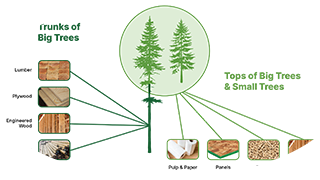
How We Do It: Making the Most Of Every Tree We Harvest
Learn more about how we fulfill our obligation to maximize the value and benefits of every tree we harvest.
Printable Resource
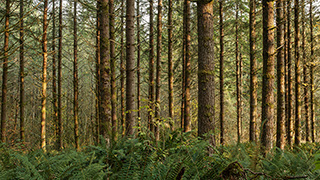
Timberlands: Sustainable Forestry
Sustainable forest management practices are at the core of our timberlands business strategy.
Business Integration
Our forests are much more than timber. They are thriving, resilient ecosystems that we help steward. All the living things in a forest — from the mightiest trees to the tiniest microbes — interact with each other and with the soil, water and air to form complex ecosystems that support a wide range of plant and animal communities.
The forests we manage host hundreds of native vertebrate species, including large mammals such as deer, elk, cougar, black bear and bobcat, as well as a tremendous diversity of birds, reptiles, amphibians, insects, native fish and other aquatic species. Each of these species needs something different from their habitat, including different forest age classes and structures, and other important features such as healthy riparian areas. Since our millions of acres of timberlands contain a range of forest ages and structures, along with protected areas around streams, wetlands and special habitat features, these forests support a high level of biodiversity.
To preserve and protect the ecosystem balance, we are constantly taking the biodiversity pulse of all the land we own and manage. Our assessments, which include collecting and analyzing species occurrence data and monitoring for the presence of threatened or endangered species, guide and inform our implementation of forest management activities, as well as our habitat conservation and species management plans. Practices we implement to support biodiversity include leaving buffers along riparian areas, surveying sites for species occurrences prior to harvesting and thinning activities, refraining from harvest during certain sensitive times for animal species, and helping create specific habitats using prescribed burns.
Because we sustainably manage our forests, we can simultaneously deliver both renewable fiber to the market and a myriad of other ecosystem services — such as clean water and recreation opportunities — to surrounding environments and communities.
Everyday
Sustainability
Biodiversity
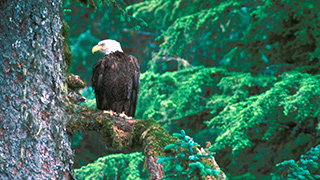
How We Do It: Wildlife Habitat
Learn more about our approach to managing wildlife habitat in our working forests.
Printable Resource
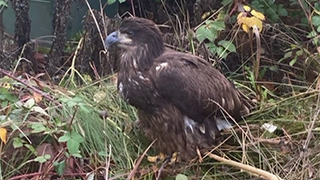
Eagle Rescue in Oregon
When our people came across a bald eagle with a broken wing in a remote Oregon forest, they set in motion a rescue plan that delivered the bird to a nearby raptor center and set it on the road to recovery.
Blog Post
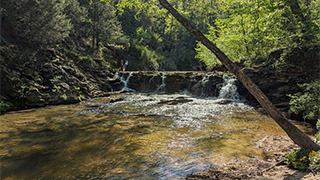
Dam Removal in Virginia
We worked with the Virginia Department of Wildlife Resources to remove a six-foot-tall dam on a tributary of the James River, opening 45 miles of upstream waterways to the endangered James spinymussel and other native species.
Blog Post
Improving Conservation Outcomes
Ensuring our forests provide habitat features that help us support at-risk, sensitive, threatened and endangered species is a core component of our environmental stewardship. We create and manage critical habitat by implementing best management practices on the lands we own and manage in the United States and the lands we manage in Canada. In the U.S., we participate in multiple conservation-focused programs, including conservation easements and agreements, mitigation banking, formal Habitat Conservation Plans, and similar arrangements with the federal government. In Canada, we work with the federal and provincial governments to develop, deliver and implement recovery strategies for species at risk as required by the Species at Risk Act.
Combined with our sustainable forest management practices, conservation easements and other local agreements can enhance the long-term stewardship and protection of wildlife habitat, biodiversity and recreational access. These partnerships are made with a variety of groups and organizations, and they allow us to continue managing our forest resources, which helps protect the economic benefits working forests create. Habitat Conservation Plans in the U.S. and Species-specific Recovery Plans in Canada provide specific guidance on the recovery and enhancement of habitats for threatened and endangered species. We participate in more than 50 conservation agreements and collaborative efforts that address specific habitat needs of at-risk or sensitive species across our timberlands. In addition to conservation agreements and easements, we currently operate 16 mitigation banks and projects, primarily in the U.S. South. Authorized through the U.S. Clean Water Act, mitigation banking allows us to set aside certain areas of our timberlands to preserve, enhance or restore a wetland, stream or other habitat area to compensate for development by another entity in a similar nearby ecosystem. Mitigation banks are regulated and approved by the U.S. Army Corps of Engineers and a consortium of federal, state and local agencies.
Everyday
Sustainability
Improving Conservation Outcomes
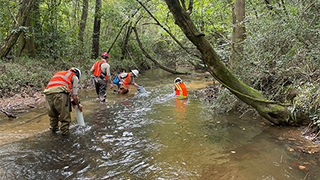
Making a Surprise Return
The endangered Alabama pearlshell mussel, once abundant in headwater streams throughout south-central Alabama, made a surprise return on land we manage after 30 years, proving the effectiveness of our care for the Alabama River watershed.
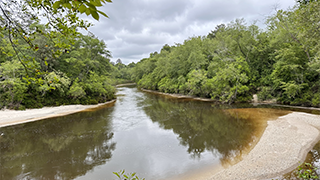
Supporting Coastal Conservation in Mississippi
We worked with partners to ensure the ongoing protection of more than 14,000 acres of our Mississippi timberlands.
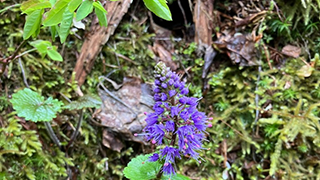
Discovering a Rare Plant
A routine inventory cruise on our Vail tree farm in Washington state led to the discovery of fringed kittentails — a globally imperiled plant not documented in the area for a decade.
Our forests are critical for providing clean water to communities in our watersheds. The trees, plants and soil absorb rain and snowmelt, then filter and slowly release clean water into the many streams, rivers and groundwater systems on our lands. From harvesting to road building, our sustainable forestry practices safeguard water quality by maintaining our forests' ability to capture and filter water — for people, fish and countless other organisms.
Because our forests rely on natural precipitation (rainwater and snow) to grow, our company’s measurable impact on water use is limited to our wood products manufacturing sites and offices, where water is either recycled or treated on-site, evaporated while products are drying or delivered to a local, publicly owned treatment facility. Even with this minor amount of water use at our mills, we continue to stay focused on reducing water use wherever possible.
We recognize that water risks are a global challenge. Through internal analyses and tracking, we manage water risk at the site level. Based on the World Resources Institute Aqueduct Water Risk Atlas, none of our Wood Products mill locations or U.S. timberlands overlap with areas of extremely high water risk. We conduct this analysis of water risk when new locations are brought into our portfolio, and we periodically revisit our companywide analysis to evaluate whether water risk has changed.
Everyday
Sustainability
Clean Water
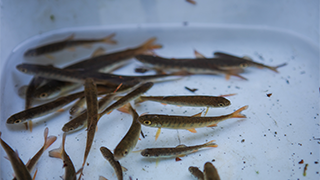
From Bleak to Bountiful
For nearly two decades, our scientists tracked the amazing recovery of regional fish populations following a devastating wind and rainstorm in southwest Washington state that wreaked havoc on stream systems in our Pe Ell tree farm.
Blog Post
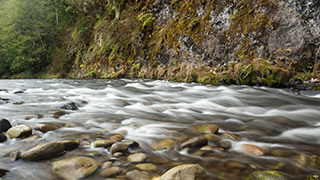
How We Do It: Riparian Buffers
We carefully maintain tree and plant buffers along waterways to protect water quality and biodiversity.
Printable Resource
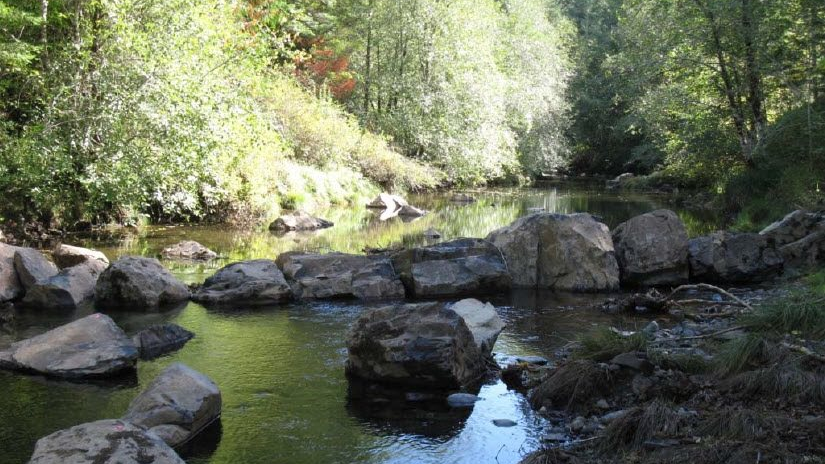
An Honor by the Coast Fork Willamette Watershed Council
We’re proud to work with the Coast Fork Willamette Watershed Council in Oregon to improve water quality and fish habitat through restoration, monitoring, education and stewardship.
Sustainably managed forests are a critical part of climate mitigation. As our millions of acres of forests grow, they absorb carbon dioxide from the atmosphere and store it as carbon in their trunks, limbs and roots, as well as in the soil. After our trees are harvested and made into long-lived wood products, much of their carbon remains stored for the life of those products. After harvest, we plant millions more trees, which immediately begin absorbing more CO2 from the atmosphere, and the next round of wood products stores more carbon yet again — all part of an amazing sustainable cycle.
Our managed forests mature quickly and are often able to sequester more carbon than unmanaged forests through faster, continuous rotations, all while maintaining a vast pool of carbon across the forest landscape.
When logs are made into wood products used in buildings, the carbon in those wood products is stored for the life of the building. Wood products also require less energy to manufacture than other non-renewable building materials such as steel and concrete, resulting in fewer greenhouse gases being emitted. Our Carbon Record provides a detailed accounting of the carbon that is sequestered by our forests and wood products.
Everyday
Sustainability
Carbon storage
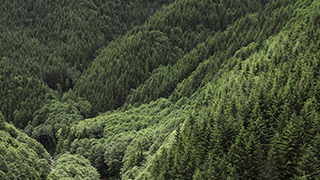
How We Do It: Forest Carbon
Our forests store between 2.3 billion and 3.7 billion metric tons of CO2. That is the same number of emissions generated by providing every home in the United States with electricity for four to six years.
Printable Resource
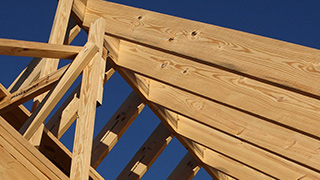
Building Sustainably with Wood
Wood sourced from well-managed forests is the ultimate renewable, sustainable choice of building material.
Business Integration
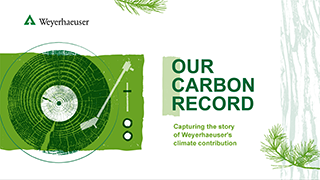
Our Carbon Record
Explore the story of our carbon emissions, removals and storage, as well as our ambitious target to further reduce greenhouse gas emissions across our operations.
Positive Impact Area
We meet more than two-thirds of the energy needs in our manufacturing facilities by using by-products such as bark, sawdust, chips and shavings as fuel. This approach helps reduce our reliance on nonrenewable fossil fuels and our overall environmental impact.
We strive to be a leader in energy efficiency, independence and sustainable, cost-efficient operations. Our Energy Strategy Team leads the planning and implementation of the energy strategy companywide, while at the site level, we work to reduce the amount of energy it takes to manufacture our products by focusing on energy efficiency improvements. In addition, we integrate greenhouse gas considerations into our capital-planning processes to ensure necessary resources are allocated to reducing our carbon footprint.
We also play a role in providing renewable energy solutions to the market. Our timberlands provide an important land base for renewable energy production, such as wind and solar power. And we supply other mills, companies and utilities with woody biomass used to produce renewable energy.
Everyday
Sustainability
Energy Choices
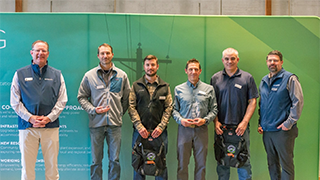
Innovation and Teamwork Power Energy Savings in Montana
Our three Montana manufacturing facilities teamed up to reduce their energy use by more than 4 percent over a 12-month period — saving enough electricity to power 187 homes for a year.
Blog Post
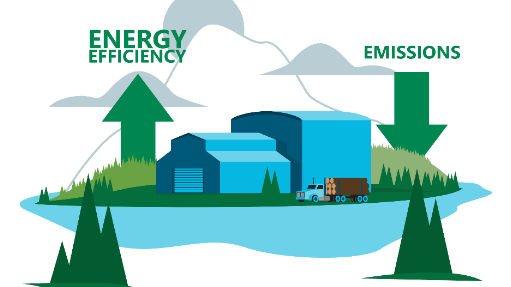
Energy Efficiency in Our Wood Products Business
Learn about our proactive, in-depth approach to managing our energy usage within our manufacturing and distribution facilities.
Printable Resource
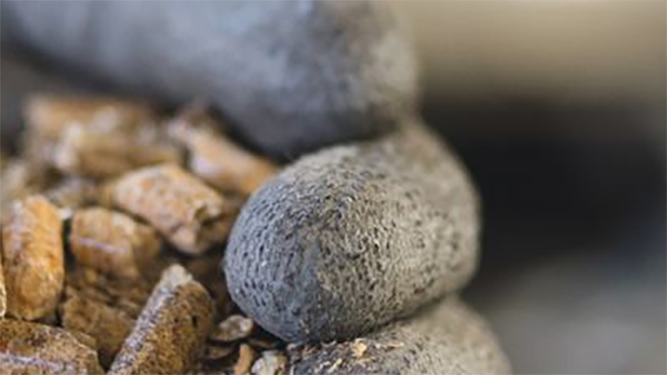
Reducing Reliance on Fossil Fuels and Purchased Electricity
Wood fiber from our working forests offers a renewable, low-carbon energy solution.
Business Integration
To keep global temperatures from rising, the business community must continue to reduce greenhouse gas emissions. As a company, we continually seek to decrease our greenhouse gas emissions and other pollutants such as carbon monoxide and volatile organic compounds.
Between 2000 and 2020, we reduced our total greenhouse gas emissions by 57 percent, and in 2021 we set new GHG emission reduction targets that align with the goal of limiting global warming to 1.5 degrees Celsius. These ambitious targets include reducing our Scope 1 and 2 emissions by 42 percent and our Scope 3 emissions by 25 percent per ton of production by 2030, measured against a 2020 baseline.
To achieve these goals, we are focused on improving energy intensity in our mills and investing in cleaner-burning machinery and upgrades to emission-control systems. Additionally, we are working to decrease emissions in our Timberlands through fuel-switching and other non-capital improvements where feasible.
Everyday
Sustainability
Decreasing Emissions
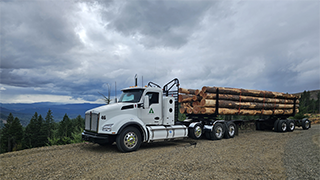
Exploring Alternative Fuels
In 2025, we rolled out our first fleet of renewable natural gas logging trucks in Goshen, Oregon, marking a new chapter in our longstanding exploration of alternative fuels.
Blog Post
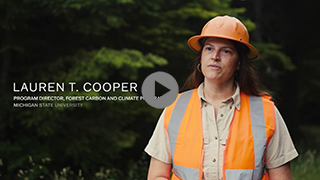
Contributing to Climate Solutions
Sustainably managed working forests and wood products are important tools to reduce the concentration of carbon dioxide in our atmosphere. Learn why in this video that explores our 3 by 30 Sustainability Ambition focused on climate action.
Video
Air Emissions by the Numbers
We share our air emissions data by emission category and our total greenhouse gas emissions annually in our sustainability data.
Data
We strive to use as much of each log that enters our manufacturing facilities and continually seek new outlets for our manufacturing by-products and used equipment.
The primary products we produce are solid lumber, wood panels and engineered wood products. Wood shavings, sawdust, chips and bark — by-products created during the manufacturing process — are sold or delivered to downstream customers who make other useful and essential products such as toilet paper, diapers, paper, cartons, boxes, bags, landscaping mulch and more. On average, 99 percent of our wood by-products are used to create other products or to generate energy.
Everyday
Sustainability
EFFICIENT USE OF RESOURCES
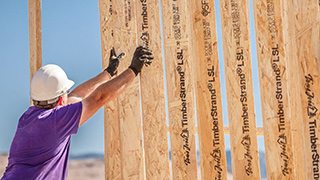
TimberStrand® LSL
The manufacturing process for TimberStrand® LSL produces high-performing engineered lumber using small-diameter trees that are not strong or straight enough on their own to be of structural value.
Business Integration
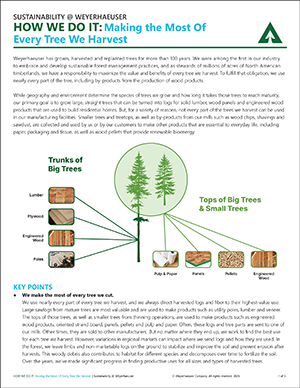
How We Do It: Making the Most of Every Tree We Harvest
Learn more about how we maximize the value and benefits of every tree we harvest, including by finding beneficial uses for our mill by-products.
Printable Resource
Waste Reduction by the Numbers
We are transparent about how much waste we produce — and divert to other uses — in our annual sustainability data.
Data
On average, we source about 40 percent of the wood used to make our products from our own SFI-certified forests, about 20 percent from other sustainably managed certified forests, and the remaining 40 percent from noncertified forests, which are typically small, family-owned forests. Whether wood comes from a sustainably managed certified forest or not, we ensure all the fiber we purchase and use to make our products is from legal, noncontroversial and responsible sources.
Our approach to responsible sourcing is guided by our Wood Procurement Policy and our certification to the SFI Fiber Sourcing and Certified Sourcing standards. This approach includes avoiding controversial sources of wood, positively influencing the forest practices of the landowners we buy logs from through actions such as requiring best management practices for protecting water quality, the promotion and conservation of biodiversity, requiring the use of trained loggers and sharing sustainable forestry information with landowners.
Everyday
Sustainability
Responsible Procurement
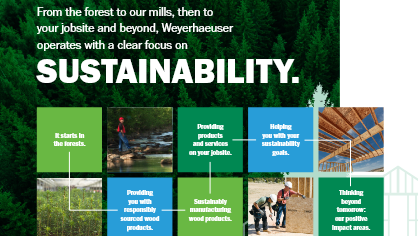
Building Sustainably with Wood
The benefits of building with wood start with forest management and carry all the way through the product’s use in a home or other building.
Business Integration
How We Do It: Forest Management & Wood Procurement Certification
Learn more about how we certify our forests and wood procurement practices to independent, third-party standards.
Business Integration
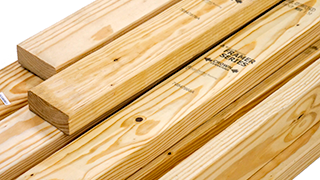
Responsible Sourcing by the Numbers
We transparently share and update data annually about our fiber sourcing.
Data
To prove our forest management and wood fiber procurement practices are sustainable, we participate in independent certification programs for forest management, fiber sourcing and chain of custody. Our entire portfolio of timberlands is certified to the Sustainable Forestry Initiative Forest Management Standard, all our manufacturing facilities are certified to the SFI Fiber Sourcing and/or Certified Sourcing standards, and select sites are certified to the SFI and PEFC Chain of Custody standards.
Certification to internationally recognized forest certification standards — such as SFI, Programme for the Endorsement of Forest Certification, the American Tree Farm System and the Forest Stewardship Council — provide customers and stakeholders with an objective, third-party verification of whether companies are implementing sustainable forestry practices and making products that come from legal and well-managed sources. We are vocal supporters of the importance of these standards and the use of independent, third-party audits to verify compliance and improve sustainable forestry around the world.
At Weyerhaeuser, we choose to certify our timberlands and operations to SFI’s standards because they are strong, science-based standards that have effectively pushed forestry in a more sustainable direction. The SFI standards are designed specifically for operations in North America, and we value SFI’s collaborative approach, especially around logger training and the requirement to invest in research and apply it to our operations. Recent updates to the SFI standards include an increased focus on protecting biodiversity, engaging with Indigenous peoples, promoting fire resiliency and mitigating and adapting to climate change.
Our Certificates
Forest Management
Fiber Sourcing
Chain of Custody
Certified Sourcing
By using this website, you agree to our Privacy Policy. California residents: See our CCPA Privacy Notice for details on what personal information we collect and for what purposes.